If you are closing on a home in Dundee, Winter Haven, Haines City, or anywhere else in Polk County this August, you are doing it during the most consequential stretch of Florida's hurricane season. The Atlantic season officially runs June through November, but historically the peak window falls between mid-August and mid-October — which means the home you are buying right now will face its first real test before you have even unpacked.
Central Florida buyers are in a uniquely pressured position in summer 2026. Polk County's housing inventory has risen compared to the COVID-era lows, giving buyers more options — but it has also given sellers less urgency to fix problems before listing. Homes that sat on the market through June and July are now repriced and moving. That means inspection findings that may have triggered repairs in a hotter market are more likely to land in your lap as-is today. An independent, licensed home inspector is the only professional standing between you and a roof that fails in September.
Here is what a thorough August inspection in Central Florida covers — and why the timing matters more than most buyers realize.
What a Home Inspector Finds in Dundee Homes During Summer
Dundee sits in the heart of Polk County, a region defined by sandy soils, high water tables, and a subtropical climate that does not ease up in summer. The combination of intense UV exposure, daily afternoon thunderstorms, and high humidity creates conditions that accelerate wear on every major system of a home.
When A.C.F. Home Inspections performs a summer inspection in this area, a few findings appear with consistent regularity.
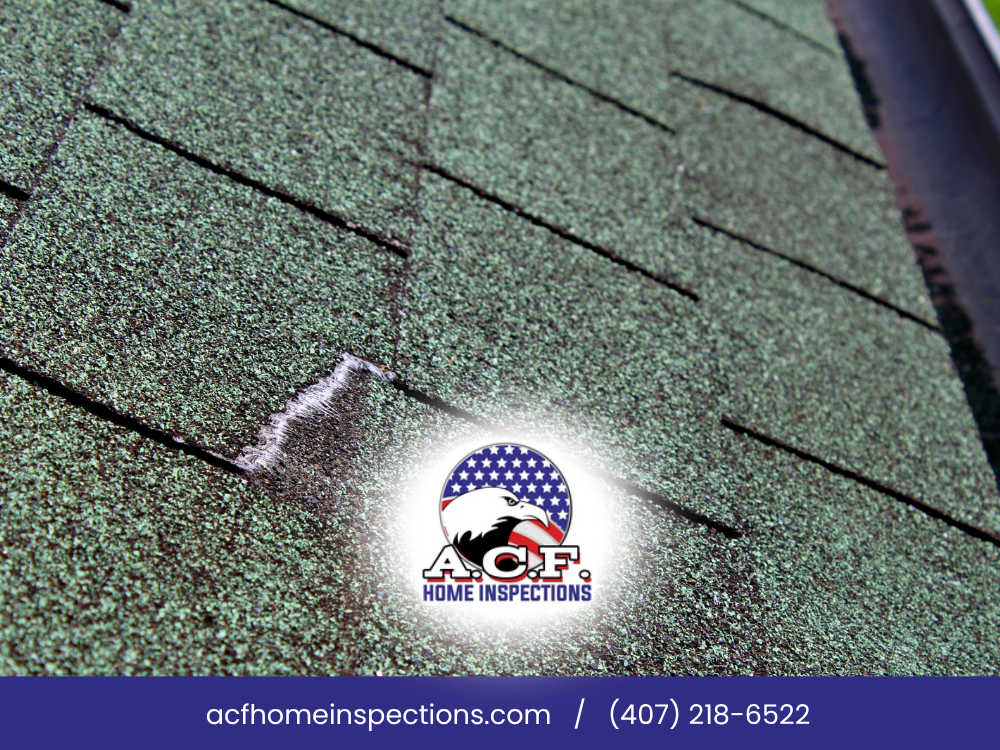
Roof condition is always the starting point. Polk County sits in the area of Florida that catches storms tracking across the peninsula from both the Gulf and the Atlantic. Missing or cracked shingles, deteriorated flashing around vents and chimneys, and soft spots indicating deck rot are all findings that translate directly into hurricane vulnerability. A roof that looks acceptable on a dry day in May can fail catastrophically when sustained winds arrive in late August or September.
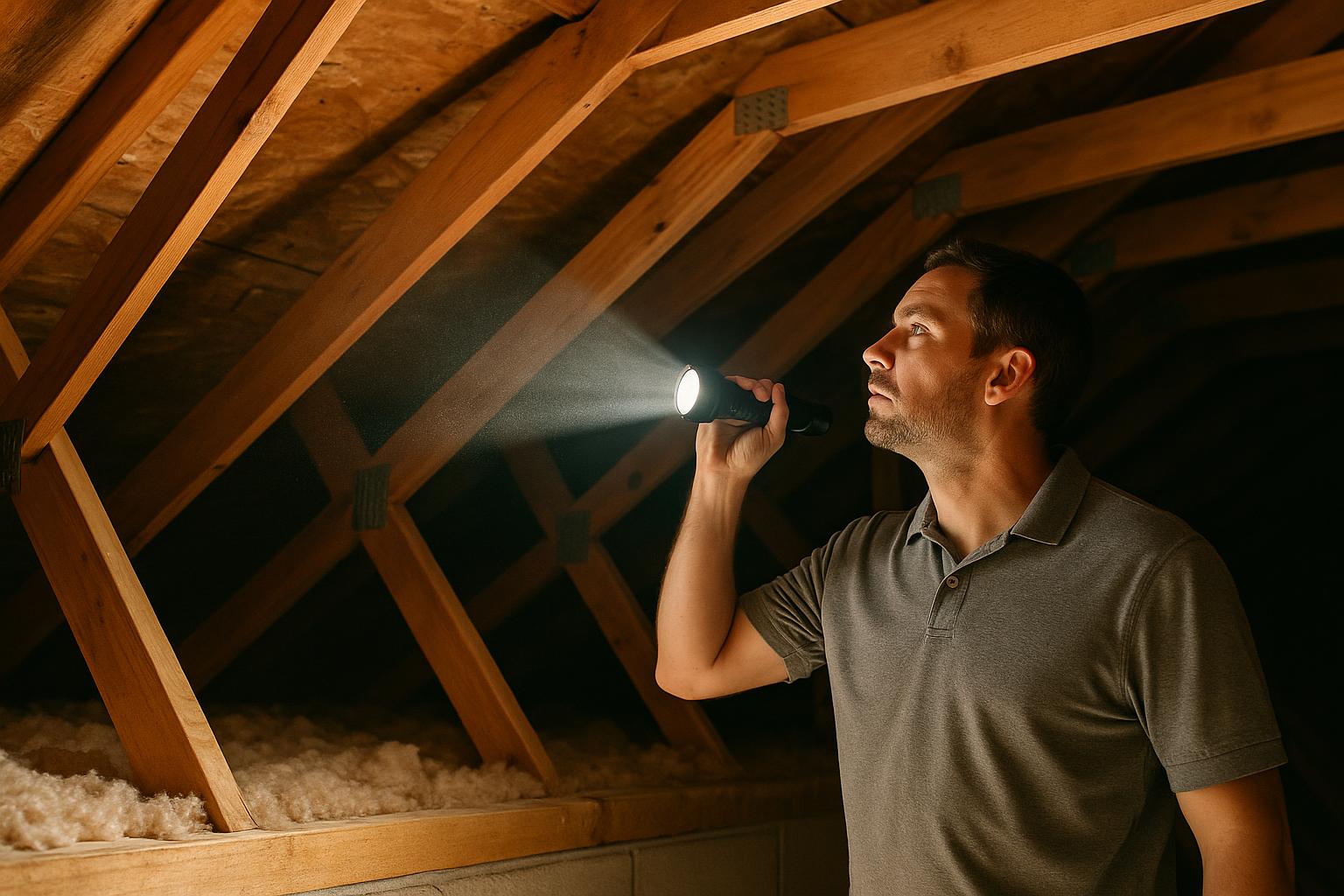
Attic ventilation and moisture are equally important and far less visible to the untrained eye. Florida's summer humidity drives moisture into attic spaces. Poor ventilation allows that moisture to accumulate, and accumulated moisture creates the conditions for mold growth and wood rot. An inspector who climbs into that attic in August is seeing it at peak stress — the worst-case version of the problem, not a sanitized winter reading.
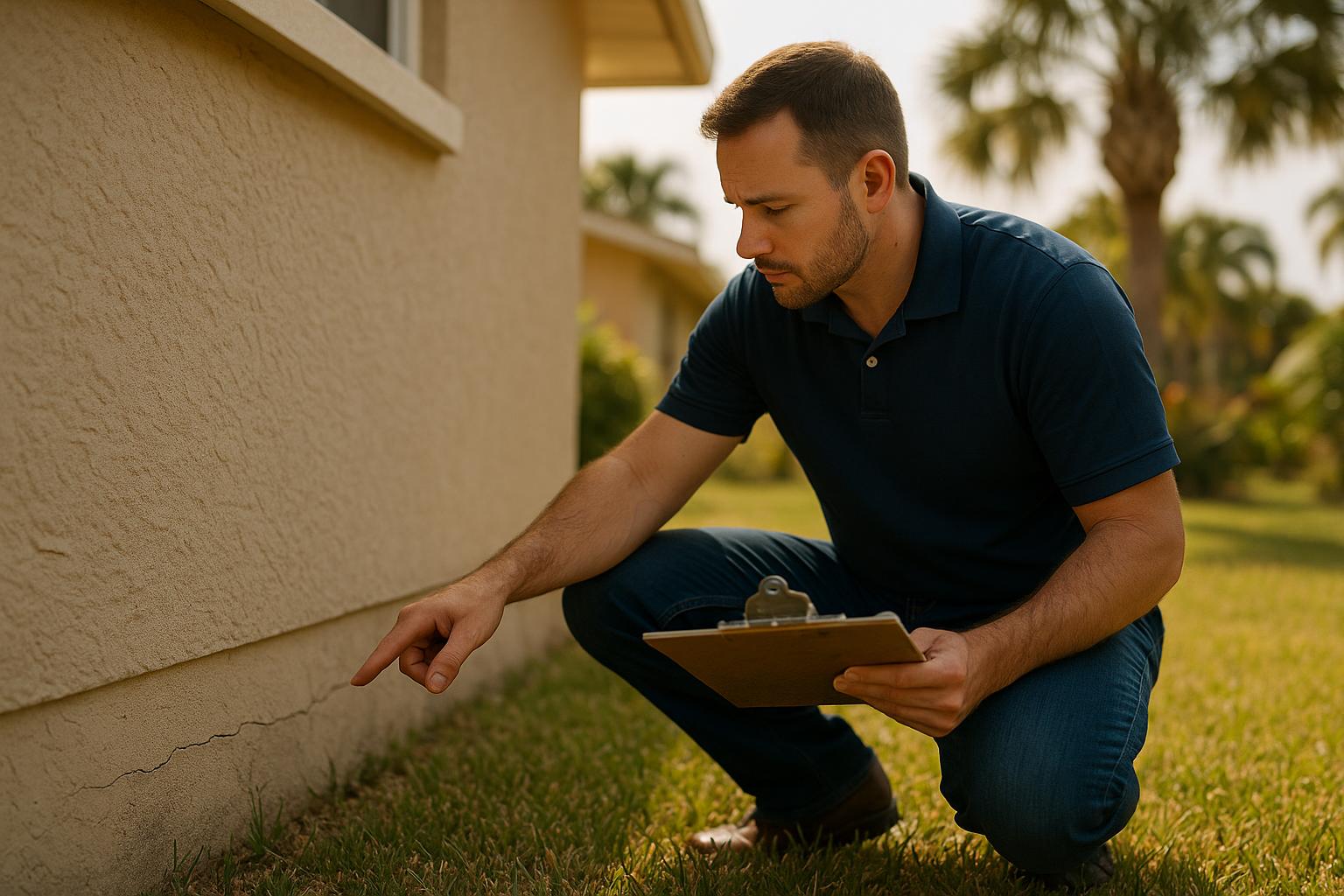
Storm drain and lot drainage round out the summer picture. Polk County's sandy soils drain quickly in some spots but hold water poorly in others — particularly on older lots where grading has settled or adjacent construction has changed runoff patterns. A home that floods around its foundation during a heavy summer storm is telling you something the listing photos did not.
Why August Is Actually the Best Time to Inspect — If You Use It Right
There is a common misconception that summer inspections are rushed or less thorough because of buyer urgency. The opposite is true when you work with an inspector who knows Central Florida conditions.
August inspections reveal problems that do not show up in dry-season inspections. Active roof leaks, attic moisture accumulation, and drainage failures are all visible right now. An inspector walking a roof after a week of afternoon storms is reading a different story than one walking the same roof in January.
The inspection also gives you a pre-storm baseline. If you close in August and a named storm makes landfall in September, you will have a documented record of the roof condition, the storm shutters or hurricane-rated windows present or absent, and any pre-existing moisture in the attic or crawl spaces. That documentation matters for your homeowners insurance claim if damage occurs.
Buyers who skip the inspection — or accept a seller's pre-listing inspection without ordering their own — are waiving that baseline. In a market where sellers are more willing to negotiate on price but less willing to fix items, having your own inspector's report is the only way to know what you are actually buying.
The Regional Issues Polk County Buyers Overlook
Central Florida's inspection challenges are not identical to coastal Florida or the Panhandle. Polk County sits inland, which changes the storm exposure profile — but it does not eliminate it. Inland buyers sometimes assume hurricane preparedness is less critical for them than for buyers in Sarasota or Tampa Bay. That assumption has cost homeowners significantly in prior storm seasons when strong tropical systems tracked directly over the center of the state.
Two issues deserve specific attention for August 2026 Polk County buyers.
Hurricane straps and roof-to-wall connections. Florida adopted significantly strengthened building codes after Hurricane Andrew in 1992, but a large portion of Polk County's housing stock predates those changes. Older homes may lack the metal hurricane straps that anchor the roof structure to the wall framing. When a home lacks these connections, a major wind event can separate the roof from the walls entirely. An inspector checking the attic can often visually confirm whether straps are present — this is a finding that directly affects both insurability and storm safety.
Mold and moisture in attics. This bears repeating because it is the single most underestimated finding in summer Central Florida inspections. Dundee and the surrounding communities have experienced substantial growth and construction activity over the past decade. Newer construction is not immune — improper attic ventilation, vapor barriers installed incorrectly, and HVAC systems that are undersized for the square footage all contribute to summer moisture accumulation. In the current market, where sellers may be highly motivated to close before storm season disrupts the transaction, attic moisture is a finding that can be used to negotiate a price reduction, an escrow holdback, or a remediation credit before closing.
Ready to Schedule Your Polk County Home Inspection?
A.C.F. Home Inspections serves buyers and homeowners throughout Central Florida, including Dundee, Winter Haven, Haines City, Clermont, and Kissimmee. We perform thorough, Florida-specific inspections with same-day written reports — because in August, you do not have time to wait.
If you are under contract and need an inspection before hurricane season peaks, contact us now to schedule.
Do not let a preventable finding become a post-storm disaster.
Call or text Luis and Wanda directly, or schedule online. Same-week appointments available — se habla español.
Call (407) 218-6522 Schedule OnlineFrequently Asked Questions
What does a home inspector check during a Florida hurricane season inspection?
A licensed home inspector in Dundee FL checks the roof surface, flashing, and deck for storm damage and wear; inspects the attic for moisture, mold, and the presence of hurricane straps; evaluates lot drainage and any evidence of water intrusion around the foundation; reviews windows and doors for hurricane-rated glazing or shutter provisions; and assesses the HVAC system, electrical panel, and plumbing during the same visit.
Should I get a home inspection during hurricane season in Florida?
Yes — a home inspection during Florida's hurricane season (June through November) is often more informative than a dry-season inspection because active roof leaks, attic moisture, and drainage problems are visible and measurable in real time. Buying in August means you have documentation of the home's condition before peak storm activity arrives.
What are hurricane straps and why do they matter in Polk County?
Hurricane straps are metal connectors that anchor a home's roof trusses to the wall framing. Homes built before Florida's post-Andrew building code upgrades in the mid-1990s often lack them. Without straps, high winds can separate the roof structure from the walls. In Polk County, a meaningful share of the housing stock predates these requirements, making strap verification a critical part of any inspector's attic check.
How does attic moisture cause problems in Central Florida homes?
In Central Florida's subtropical climate, warm humid outdoor air enters an under-ventilated attic and condenses on cooler surfaces, creating persistent moisture. Over time, that moisture promotes mold growth on wood sheathing and framing, can cause decking to delaminate, and degrades insulation performance. An August inspection catches attic moisture at its seasonal worst — giving buyers an accurate picture of the risk before closing.
How do I find a qualified home inspector in Dundee FL?
Look for a licensed home inspector who is based in Polk County and familiar with the specific construction types, climate conditions, and insurance requirements in Central Florida. A.C.F. Home Inspections is locally based in Dundee and serves buyers throughout Polk County and the surrounding communities. Confirm that your inspector carries Errors and Omissions (E&O) insurance and delivers a written report with photos on the same day as the inspection.