Story at a Glance
- A standard home inspection in Orlando covers the roof, foundation, HVAC, plumbing, electrical, and all visible structural systems
- Central Florida buyers face unique risks: sinkhole-prone karst limestone geology, year-round humidity, mold, and hurricane damage history
- Florida homeowner's insurance requires a separate 4-point inspection on homes 20–25+ years old before issuing a new policy
- A wind mitigation inspection documents storm-resistant construction features — Florida law requires insurers to offer discounts based on the results
- WDO/termite inspections, mold testing, and pool inspections are separate services that address real, common risks for Orlando-area buyers
- New construction homes need independent inspection too — municipal building inspections are not the same as a buyer's inspection
Most Orlando homebuyers sign a contract before they truly understand what they are buying. The roof looks fine from the street. The AC ran when they toured. The seller says the house is "move-in ready." Then the inspection report lands and the surprises begin — or they don't schedule one at all, and the surprises arrive after closing.
In Central Florida, the stakes are higher than in most markets. The region sits on karst limestone that shifts and dissolves. The humidity never fully lets up. Hurricane season is a permanent line item on the risk ledger. And Florida's insurance market has its own requirements that catch buyers off guard weeks before closing. By the time you finish this article, you will know exactly what a professional home inspector checks in Orlando, what Florida-specific inspections you probably need, and why skipping any of them is a gamble that rarely pays off.
What a Standard Home Inspection Covers in Orlando
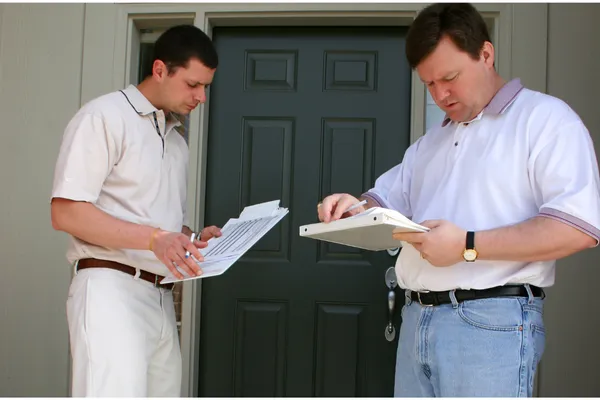
Florida-licensed home inspectors follow the InterNACHI Standards of Practice, which define what must be inspected and reported. Licensed inspectors in Florida are regulated by the Florida Department of Business and Professional Regulation (DBPR), which sets minimum licensing requirements and continuing education standards. A thorough standard inspection covers each of the following systems.
Roof System
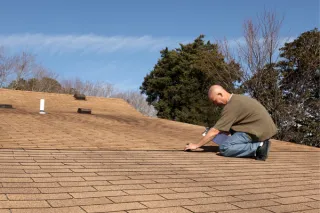
In Central Florida, the roof is the front line against tropical weather. Luis at A.C.F. Home Inspections checks roofing materials for age, wear, missing or lifted shingles, flashing integrity at penetrations, ridge vents, gutters and downspouts, and any evidence of prior storm damage or active leaks. He also notes the estimated remaining useful life — information that directly affects your insurance options. Florida's insurance crisis means carriers scrutinize roof age aggressively; a roof with fewer than five years left can derail your coverage entirely.
Foundation and Structure
The foundation inspection looks at the slab or stem wall for cracking, heaving, settlement, and signs of lateral movement. In Central Florida's clay-and-limestone substrate, foundation movement can indicate soil instability that warrants further investigation. The inspection also covers visible framing, walls, floors, ceilings, and the overall structural integrity of the home.
HVAC Systems
Orlando's heat and humidity mean HVAC is not optional equipment — it is an essential life system. Luis inspects the air handler, condenser, ductwork, thermostat, refrigerant lines, and drain lines. He checks system age, filter condition, airflow to all rooms, and looks for signs of the most common Florida HVAC problems: frozen coils from low refrigerant, clogged condensate drain lines (a major mold trigger in humid climates), and undersized systems running continuously without maintaining temperature.
Plumbing
The plumbing inspection covers all visible supply and drain lines, water heater age and condition, water pressure, shut-off valves, exterior hose bibs, and all fixtures. In older Orlando homes, inspectors watch for galvanized steel pipes (which corrode from the inside out), polybutylene pipe (a failure-prone material installed in many 1980s–90s homes), and water heaters approaching or past their service life. Slow drains, water stains under sinks, and low pressure are all documented.
Electrical System
The electrical inspection covers the main panel, subpanels, visible wiring, outlet function, GFCI and AFCI protection, and grounding. In Florida, older homes with Federal Pacific or Zinsco panels — known safety hazards — show up regularly, as do double-tapped breakers and aluminum wiring in branch circuits. Luis checks every accessible outlet and documents any conditions that need a licensed electrician's attention.
Attic, Insulation, and Ventilation
Florida attics are hot, humid environments that reward deferred maintenance generously and silently. The inspection covers insulation depth and coverage, attic ventilation, evidence of moisture intrusion or mold, and the visible condition of roof sheathing and rafters from inside. In hurricane-prone Florida, roof deck attachment (how the sheathing is nailed to the rafters) is documented here and carries over to the wind mitigation inspection.
Interior, Doors, and Windows
Interior inspection includes all doors and windows for proper operation, sealing, and evidence of water intrusion. Impact windows and hurricane shutters are noted — information that matters for both safety and insurance credits. Sloped floors, sticking doors, and cracked drywall near corners can all point to structural or settlement issues worth flagging.
Exterior and Site
The exterior inspection covers siding or stucco, exterior trim, driveways, walkways, grading (whether the ground slopes away from the foundation), and visible evidence of water damage. In Central Florida, improper grading is one of the most common findings — land that pitches toward the foundation directs rainwater against the slab every time it rains, which in Orlando is frequently.
Central Florida-Specific Risks Every Buyer Must Understand
Sinkholes: The Underground Risk in Central Florida
Central Florida is sinkhole country. The region sits on a foundation of porous karst limestone that groundwater slowly dissolves over time — a process that accelerates during drought periods when the water table drops suddenly. When the limestone dissolves enough to lose structural support, the ground above it collapses. Orange, Osceola, Hillsborough, and Polk counties are among the most sinkhole-active areas in Florida.
A standard home inspection does not include a sinkhole investigation — that requires a licensed geotechnical engineer using ground-penetrating radar and soil testing. However, Luis looks for the warning signs that suggest a sinkhole investigation is warranted: circular depressions in the yard, foundation cracking with a characteristic radial or stair-step pattern, doors and windows that suddenly fail to close properly, and cracks that appear after periods of drought. If any of those are present, do not close without a geotechnical evaluation.
Humidity, Moisture, and Mold
Orlando averages over 50 inches of rain per year and maintains high relative humidity year-round. Moisture finds its way into homes through improperly sealed windows, clogged HVAC condensate drains, bathroom ventilation that exhausts into the attic instead of outside, and simple deferred maintenance. A.C.F. offers mold testing as a separate service — not because every home has a mold problem, but because in Central Florida's climate, the conditions for mold growth are present in virtually every property. A clogged condensate drain, a bathroom fan that has not worked in three years, or a minor roof leak that went unnoticed for one rainy season can generate a mold problem that is invisible until it is expensive. If Luis sees anything during the standard inspection that raises moisture concerns, he will recommend mold testing as the next step.
Hurricane and Storm Damage History
Orlando and the surrounding region have been in the path of or felt the effects of significant hurricanes. Damage that was repaired without proper permits, insurance documentation, or workmanship standards is a real risk category here. Luis checks for evidence of storm damage repairs — patches in the roof deck visible from the attic, replaced fascia or soffit with mismatched materials, stucco repairs over hairline cracking, and window replacement without proper flashing. Any repair that was not permitted properly creates a liability for the new owner.
Watch: A.C.F. Home Inspections in Action
Home Inspection Services in Central Florida
Wind & Hail Roof Damage in Orlando FL
Buying a home in Orlando or Central Florida?
Luis at A.C.F. Home Inspections has inspected homes across Polk, Orange, and Osceola counties. Get a thorough inspection before you close.
Schedule Your Orlando InspectionFlorida-Specific Inspections Orlando Buyers Often Don't Know They Need
The standard home inspection is the foundation. But in Florida, most buyers discover — sometimes a week before closing — that their insurance company, their lender, or their own risk exposure requires additional inspections. Here is what you should know before you need it.
The 4-Point Inspection: What It Is and Why Florida Insurance Requires It
A 4-point inspection is a limited inspection focused on four systems: roofing, HVAC, electrical, and plumbing. It is not a full home inspection — it does not cover structure, insulation, interiors, or site. Its purpose is to give a homeowner's insurance underwriter a snapshot of the four systems most likely to generate a large claim.
Florida's property insurance market is under severe pressure, and carriers have tightened underwriting standards significantly. Most insurers now require a 4-point inspection before issuing a new homeowner's policy on any home that is 20 to 25 years old or older. If the inspection reveals an aging roof, a panel with known defects, or outdated plumbing, coverage may be conditioned, limited, or denied entirely. Buyers who find this out after they have released their inspection contingency are in a difficult position. Luis provides 4-point inspections as part of A.C.F.'s service lineup — scheduling it alongside your standard inspection saves time, cost, and the risk of an unpleasant last-minute surprise.
Wind Mitigation Inspection: The Inspection That Can Cut Your Insurance Bill
A wind mitigation inspection documents how a home is built to resist hurricane-force winds. The inspection examines roof shape (hip roofs perform better than gable roofs), roof deck attachment (how the sheathing is nailed to the rafters), roof-to-wall connections (how the roof structure is tied to the walls below), and opening protections (impact glass, hurricane shutters, or reinforced garage doors).
Under Florida law, the Florida Department of Financial Services requires insurance companies to offer premium discounts to homeowners who document wind-resistant construction features. The discounts can be significant — often hundreds of dollars per year — and the inspection result is good for five years. For many Orlando buyers, the wind mitigation inspection pays for itself before the end of the first year. Luis provides wind mitigation inspections as a standalone service or bundled with the standard inspection.
WDO / Termite Inspection: A Separate Licensed Service
WDO stands for wood-destroying organisms — termites, wood-boring beetles, and wood-decaying fungi. In Florida's warm, humid climate, subterranean termites are endemic. They do not announce themselves. They work inside wood framing, behind drywall, and under slabs for years before the damage becomes visible. By the time you see the signs, the structural damage is often already done.
A WDO inspection in Florida is performed by a licensed pest control company — it is a separate licensed service, not part of a standard home inspection and not something a home inspector can provide under Florida law. Luis coordinates WDO inspections as part of A.C.F.'s service offerings. Many lenders — and many real estate contracts — require a clear WDO report before closing. Even when it is not required, it is not a service to skip in Central Florida.

Mold Testing: When Orlando's Humidity Creates a Hidden Problem
Mold testing is distinct from the visual moisture assessment a home inspector performs during a standard inspection. A certified mold assessment involves air sampling and surface sampling to measure airborne spore counts and identify the species present. A.C.F. provides mold testing as a separate service. When Luis identifies elevated moisture, signs of past water intrusion, or conditions that support mold growth during the standard inspection, mold testing is the definitive next step — not a follow-up guess.
Pool Inspection: A Mandatory Add-On for Pool Homes
A significant portion of Orlando-area homes have pools. A standard home inspection includes a visual check of visible pool equipment, but it does not constitute a thorough pool inspection. A dedicated pool inspection covers the pool shell for cracks and delamination, the circulation and filtration system, the heater, the safety equipment, the deck condition, and electrical bonding — a critical safety item in pool environments. The A.C.F. services page details what is covered in each inspection type. If the home has a pool, add the pool inspection to your order before the inspection date.
New Construction Homes in Orlando: You Still Need an Inspection
New construction buyers in Orlando sometimes assume that because the home just passed its municipal building inspections, it is problem-free. That assumption is costly.
Municipal building inspectors are verifying code compliance at specific construction milestones. They are not performing a buyer's inspection. They are not working for you. They are not checking every system and component the way a licensed home inspector does. Common new construction issues Luis finds in Central Florida: HVAC ducts that are kinked or disconnected in the attic, insulation that was installed incorrectly, grading that directs water toward the foundation, plumbing rough-in errors that passed inspection but created downstream problems, and electrical issues that cleared a framing inspection but developed after drywall was closed.
A new construction inspection protects you before closing. Any deficiency discovered now is the builder's responsibility to correct at no cost to you — because you are still under contract. Deficiencies discovered after closing are yours to fix and yours to pay for. Luis at A.C.F. performs new construction inspections throughout the Orlando metro, Polk County, and Osceola County.
Who Performs Home Inspections in Orlando — and What to Look For
In Florida, home inspectors must be licensed by the DBPR. Florida requires a minimum of 120 hours of education and 120 field inspections before licensure, plus continuing education to renew. When you hire a home inspector, ask for their license number and verify it on the DBPR license verification portal. Licensing is the floor, not the ceiling — experience, local market knowledge, and thoroughness are what separate inspectors at the top of the field.
Luis Figueroa at A.C.F. Home Inspections has been inspecting homes across Central Florida — Orlando, Polk County, Osceola County, and surrounding communities — for years. A.C.F. provides written inspection reports with photographs and clear documentation of every finding. You will know exactly what you are getting into before you sign the closing papers. Visit acfhomeinspections.com or call directly at (407) 218-6522 to schedule.
Frequently Asked Questions: Home Inspections in Orlando, FL
Do I need to be present during a home inspection in Orlando?
You are not required to be present, but attending your home inspection in Orlando is strongly recommended. Being there lets your inspector walk you through findings in real time, explain what is urgent versus routine, and answer your questions on the spot. Most experienced buyers attend the full inspection.
How long does a home inspection take in Orlando?
A standard home inspection on a typical Orlando single-family home takes two to four hours depending on size, age, and condition. Larger homes, older homes, or homes with a pool, detached structures, or complex systems will run closer to four hours or longer. Plan to be available for the full duration so you can get a complete walkthrough at the end.
What is a 4-point inspection in Florida and do I need one?
A 4-point inspection is a limited inspection of four key systems — roof, HVAC, electrical, and plumbing — required by most Florida homeowner's insurance carriers before they will issue a new policy on a home that is 20 to 25 years old or older. If you are buying an older home in Orlando, your insurance company will almost certainly require it before coverage begins. Schedule it at the same time as your standard inspection.
Does a home inspection check for sinkholes in Central Florida?
A standard home inspection does not include a sinkhole investigation. However, a qualified inspector will note visible signs of concern — foundation cracking, settling, unusual depressions in the yard, or misaligned doors and windows — and recommend a licensed geotechnical engineer for further evaluation if anything appears suspicious. Central Florida sits on karst limestone, making sinkhole risk a real and relevant issue for buyers in Orange, Osceola, and Polk counties.
Can a home fail a home inspection in Florida?
No — a home inspection does not produce a pass or fail result. The inspector's job is to document the condition of the home's systems and components so you, the buyer, can make an informed decision. Every report will include findings; the question is whether those findings are acceptable to you and your lender, and whether the seller is willing to address them before closing.
What is the difference between a home inspection and a wind mitigation inspection?
A standard home inspection evaluates the overall condition and safety of the home. A wind mitigation inspection is a separate, specialized inspection that documents specific construction features — roof covering type, roof deck attachment, roof-to-wall connections, opening protections — that affect how well the home resists hurricane-force winds. Florida law requires insurance companies to offer premium discounts to homeowners with documented wind mitigation features, so this inspection frequently pays for itself in the first year.
Should I get a home inspection on a new construction home in Orlando?
Yes, without exception. New construction homes in Orlando should always be inspected by an independent home inspector before closing. Municipal building inspectors check for code compliance only — they are not working for you, and their inspections are not a substitute for a thorough third-party inspection. Missed insulation, improper grading, HVAC installation issues, and plumbing defects are all regularly found in new construction across Central Florida.