How Wind Or Hail Damage Shows Up On Orlando Roofs — And When To Inspect
In Orlando, FL, afternoon thunderstorms and seasonal hail events can move through quickly. While the storm may only last minutes, your roof absorbs the full impact. Many homeowners ask: how does wind or hail damage typically show up on Orlando roofs, and when should they be inspected?
Understanding the early signs of roof damage helps you stay ahead of leaks and long-term wear.
Wind and hail damage on Orlando, FL roofs typically appears as lifted or creased shingles, missing granules, dented vents or flashing, soft spots, or exposed nail heads. Roofs should be inspected after significant storms, visible debris impact, or when interior stains or attic moisture are noticed.
How Wind Damage Typically Appears On Roofs
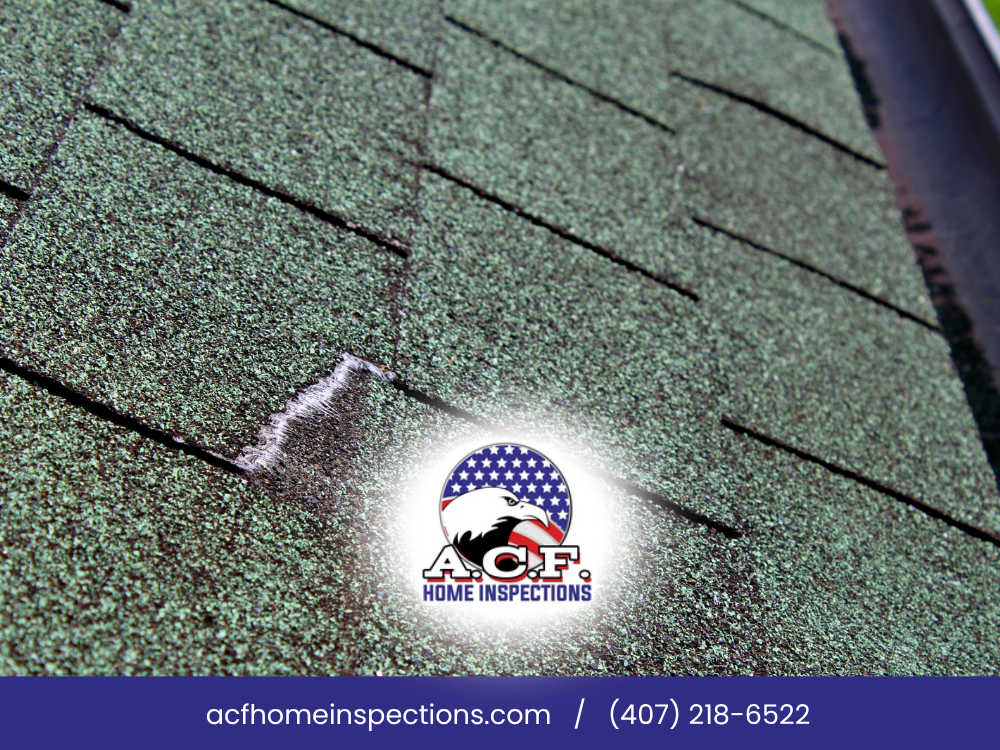
Strong wind gusts can lift shingles, especially along edges and ridges. Even if shingles do not blow off completely, they may crease or lose their seal.
Homeowners may notice:
- Shingles that appear uneven or slightly raised
- Loose ridge caps along the roof peak
- Shingle tabs missing from the yard
- Metal flashing pulled away from roof joints
When shingles lift, the adhesive strip that seals them down may weaken. During a home inspection, what inspectors look for includes small horizontal creases across shingles, exposed fasteners, and subtle gaps where wind-driven rain could enter.
In Orlando's climate, repeated storms throughout the year can gradually affect roofing materials, even without one major weather event.
Signs Of Hail Impact On Roofing Materials
Hail damage can be less obvious than wind damage. From the ground, a roof may look normal.
However, inspectors commonly find:
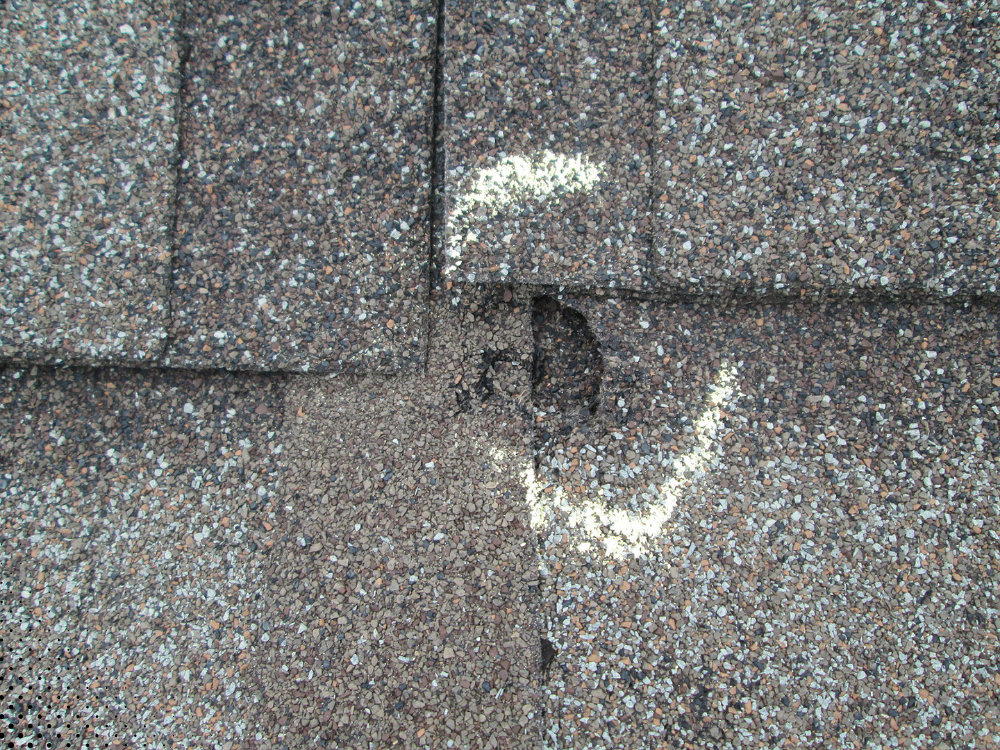
- Dark spots where protective granules have been knocked away
- Small dents in roof vents or metal flashing
- Soft areas when gently pressed
- Scattered impact marks across multiple slopes
Granules protect shingles from sun exposure and weathering. When they loosen or wash away, shingles may age faster. During a professional home inspection, inspectors carefully assess texture, pattern consistency, and impact distribution to determine whether damage is likely storm-related.
Hail can also crack brittle shingles, especially on older roofs exposed to Florida's intense sun.
Interior Clues That Suggest Roof Damage
Sometimes the first signs of roof issues appear inside the home.
Homeowners should watch for:
- Ceiling stains or discoloration
- Bubbling paint near the roofline
- Musty smells in the attic
- Damp insulation
In Orlando, FL, heavy rain often accompanies wind or hail. When moisture finds even a small opening, it may travel along roof decking before appearing inside. During a home inspection, attic spaces are evaluated for water stains, compressed insulation, and rusted fasteners—all indicators of potential intrusion.
Early detection helps prevent larger moisture concerns later.
When Should Orlando Roofs Be Inspected?
After any significant wind or hail event, it's wise to visually check your property from the ground. However, some situations call for a more thorough evaluation.
Consider scheduling a home inspection when:
- A storm produced noticeable debris or loud roof impacts
- Shingles or roof materials are found in the yard
- Interior staining appears after rainfall
- Your roof is older and has experienced repeated storms
Many homeowners in Orlando choose to have their roof evaluated at least annually, especially before or during storm season. Regular maintenance checks help identify gradual wear that may not be visible to the untrained eye.
Professional inspectors use safe access methods and trained observation to identify patterns of damage, rather than isolated cosmetic issues.
Why Professional Evaluation Matters
Climbing onto a roof without proper equipment can be risky. A professional home inspection provides a careful, documented review of roofing materials, flashing, and related components.
Inspectors assess:
- Shingle condition and seal integrity
- Flashing at vents, skylights, and chimneys
- Roof penetrations and exposed fasteners
- Attic ventilation and moisture signs
Because Florida roofs face sun exposure, humidity, and frequent storms, distinguishing between normal aging and storm-related damage requires experience.
Understanding what inspectors look for gives homeowners confidence when making maintenance decisions.
Protecting Your Roof Through Routine Maintenance
Routine roof checks after storms and consistent maintenance help extend the life of your roofing system.
Trim overhanging branches, keep gutters clear, and monitor interior ceilings for changes. Small adjustments today can help prevent larger repairs tomorrow.
Storms are part of life in Central Florida, but proactive inspections support long-term protection.
If you live in Orlando, FL, schedule your home inspection with A.C.F. Home Inspections today.
Concerned about wind or hail damage on your Orlando roof?
Call (407) 218-6522 or visit acfhomeinspections.com to schedule your inspection today!